
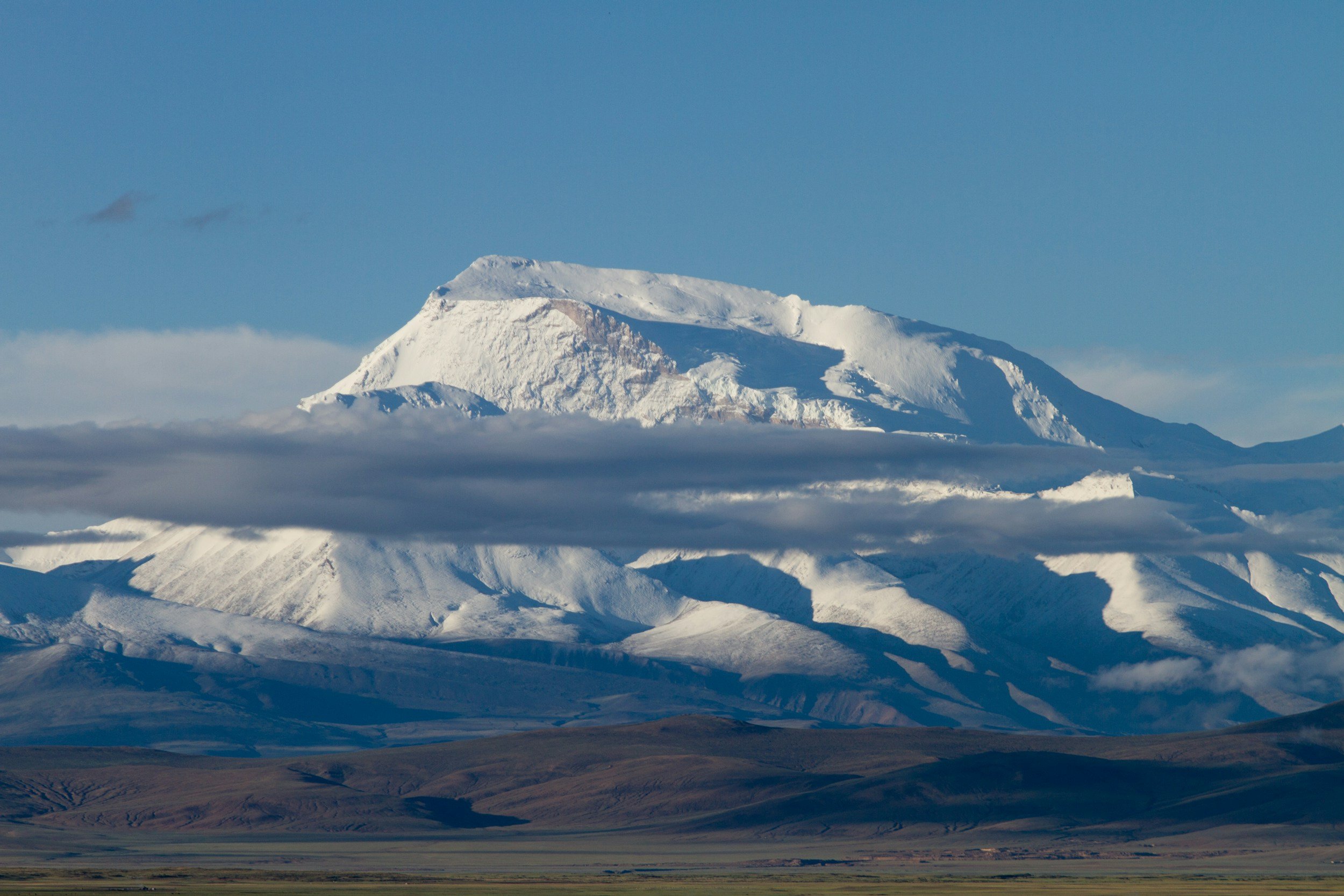
Kailash Kora 2026
Healing Pilgrimage to Tibet and Mount Kailash
with Drukmo Gyal (Limited Group)
Hosted by Sowa Rigpa School & Inner Kora OÜ
Second Departure Added
Kailash Pilgrimage 2026
7–22 August 2026
Places are limited.
Reserve your spot today and begin your preparation for this transformative journey.
Due to the strong interest in our 2026 pilgrimage, we are pleased to announce that a second departure has now been opened.
You can now join the Kailash pilgrimage from 7–22 August 2026.
This sacred journey to Mount Kailash offers a rare opportunity to complete the Kora in the company of experienced guides and a dedicated group of fellow pilgrims.
10–25 July 2026 — Fully booked
7–22 August 2026 — Half full, limited places available
Dear friends,
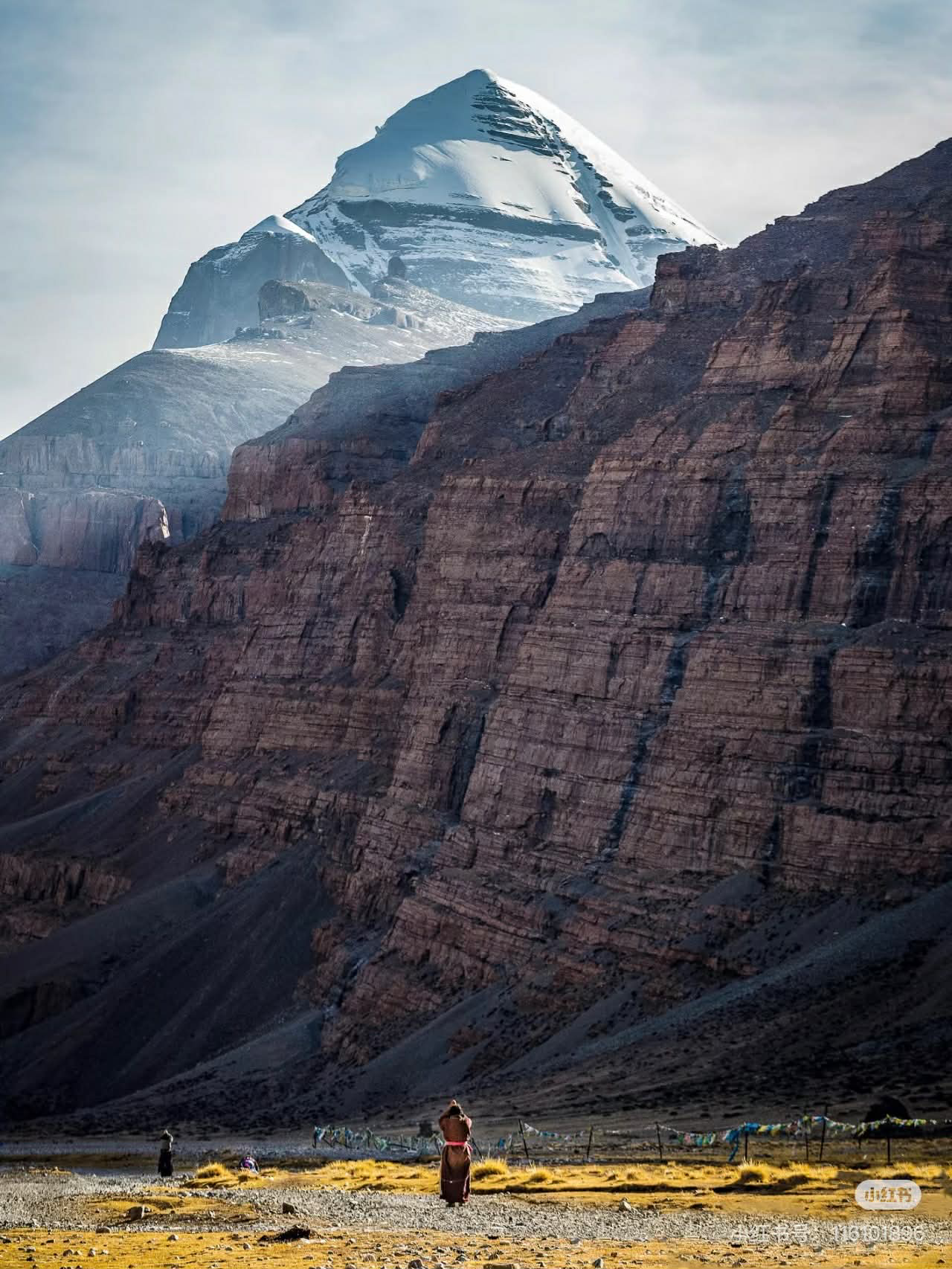
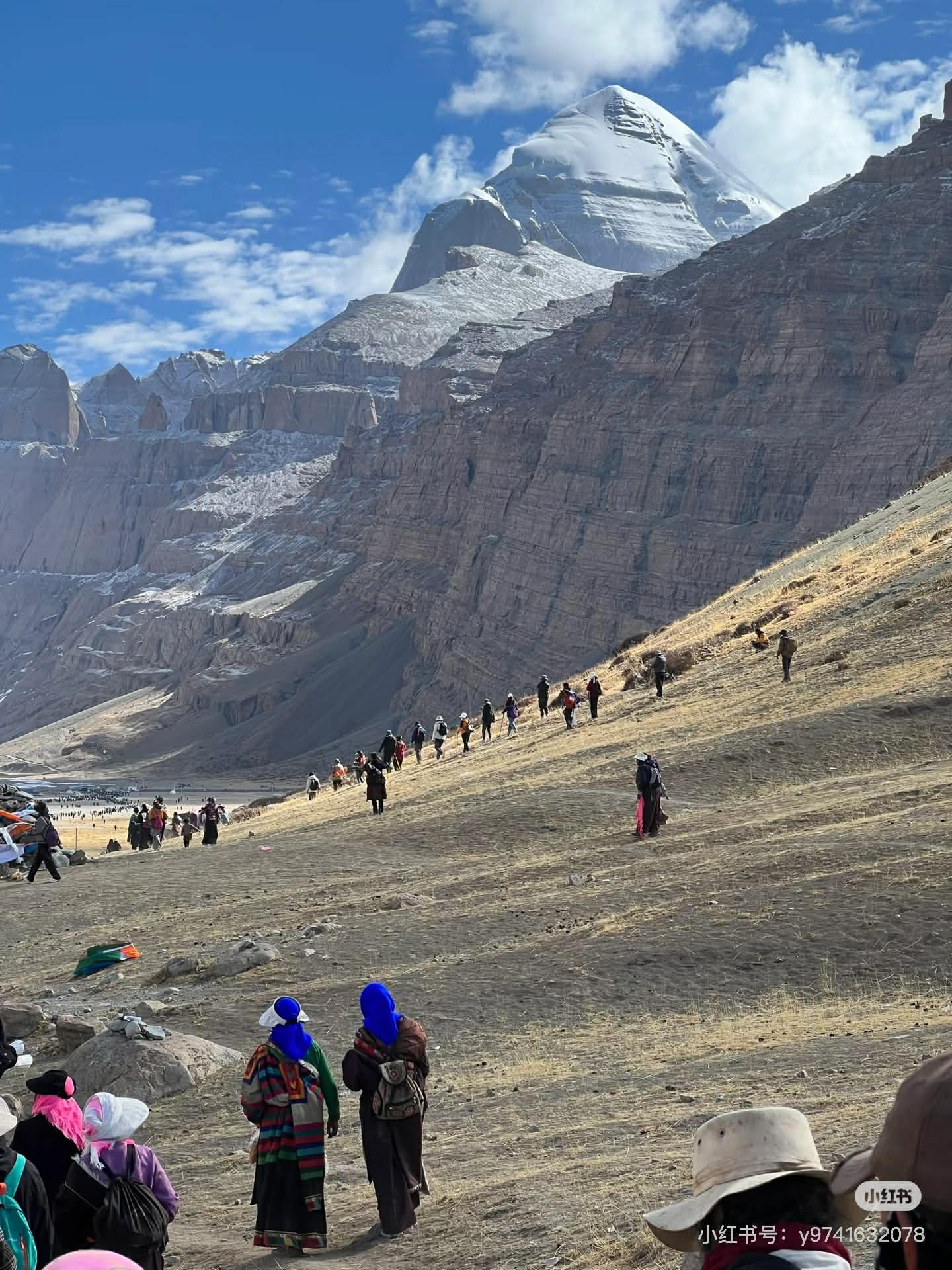
In 2026, walk with us on one of the world’s most inspiring and transformative pilgrimages — the Kailash Kora, a 52-kilometer journey circling the sacred Mount Kailash at elevations reaching 5,630 meters. The adventure begins in Lhasa, where ancient temples and living Tibetan traditions set the spiritual tone. From there, we travel across sweeping Himalayan landscapes to the tranquil shores of Lake Manasarovar, preparing mind and body for the three-day kora around the holy mountain.
Whether your intention is spiritual connection, personal renewal, or simply witnessing the raw beauty of the Himalayas, this 16-day journey offers a rare opportunity to experience something profound. Designed to support both inner and outer transformation, this pilgrimage invites you to slow down, reconnect, and discover what truly moves you—an experience as grounding as it is unforgettable.
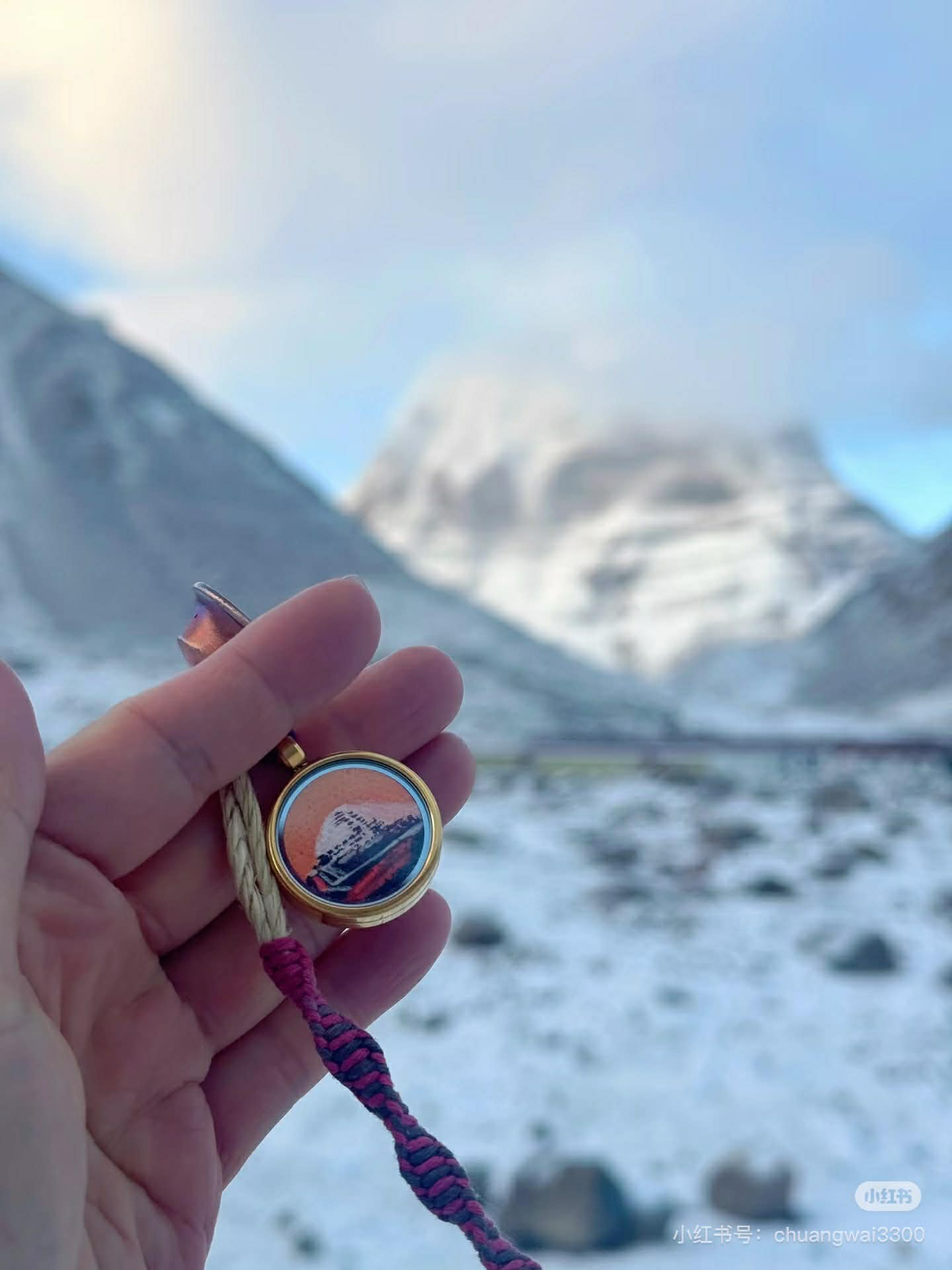
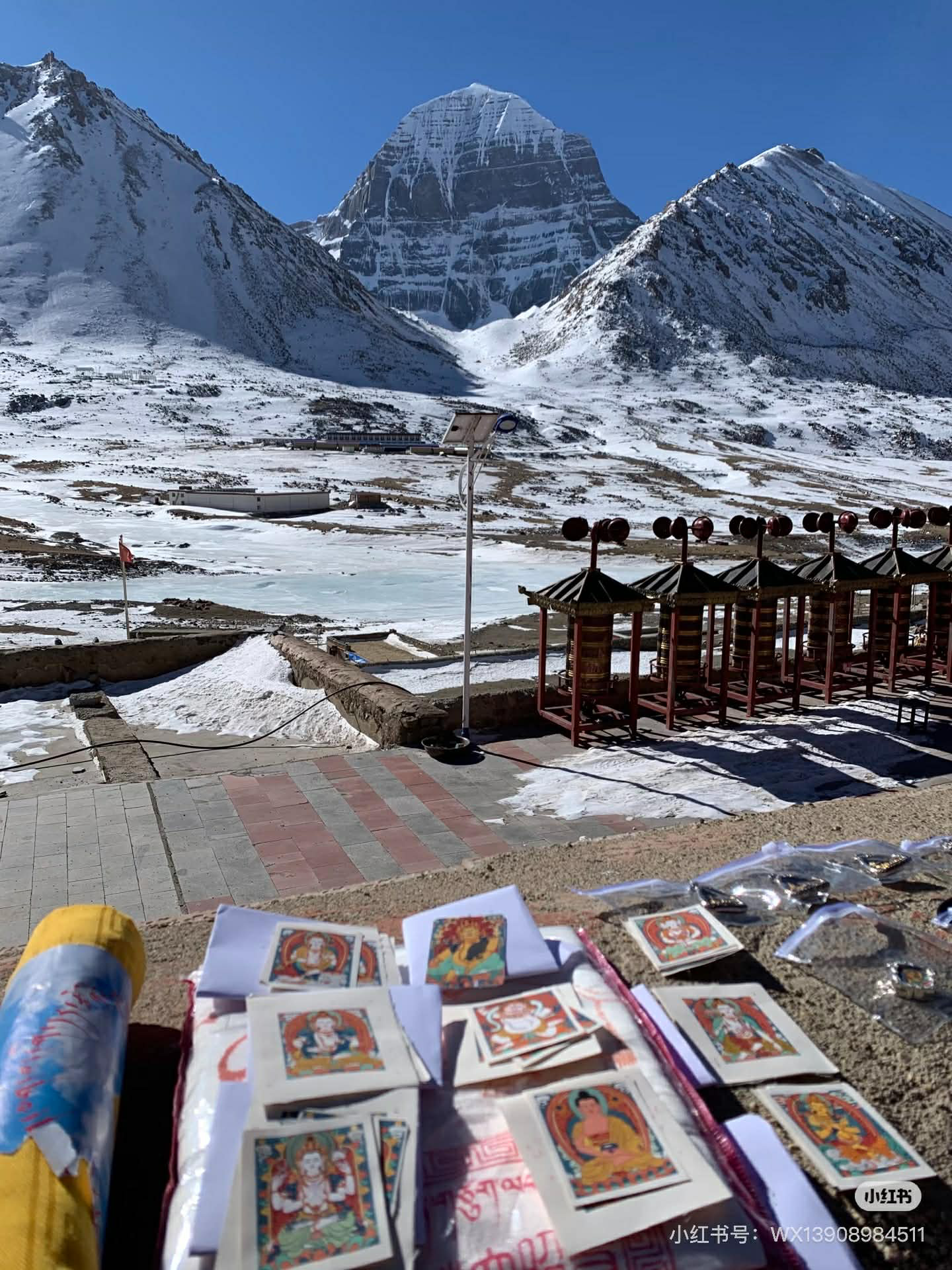
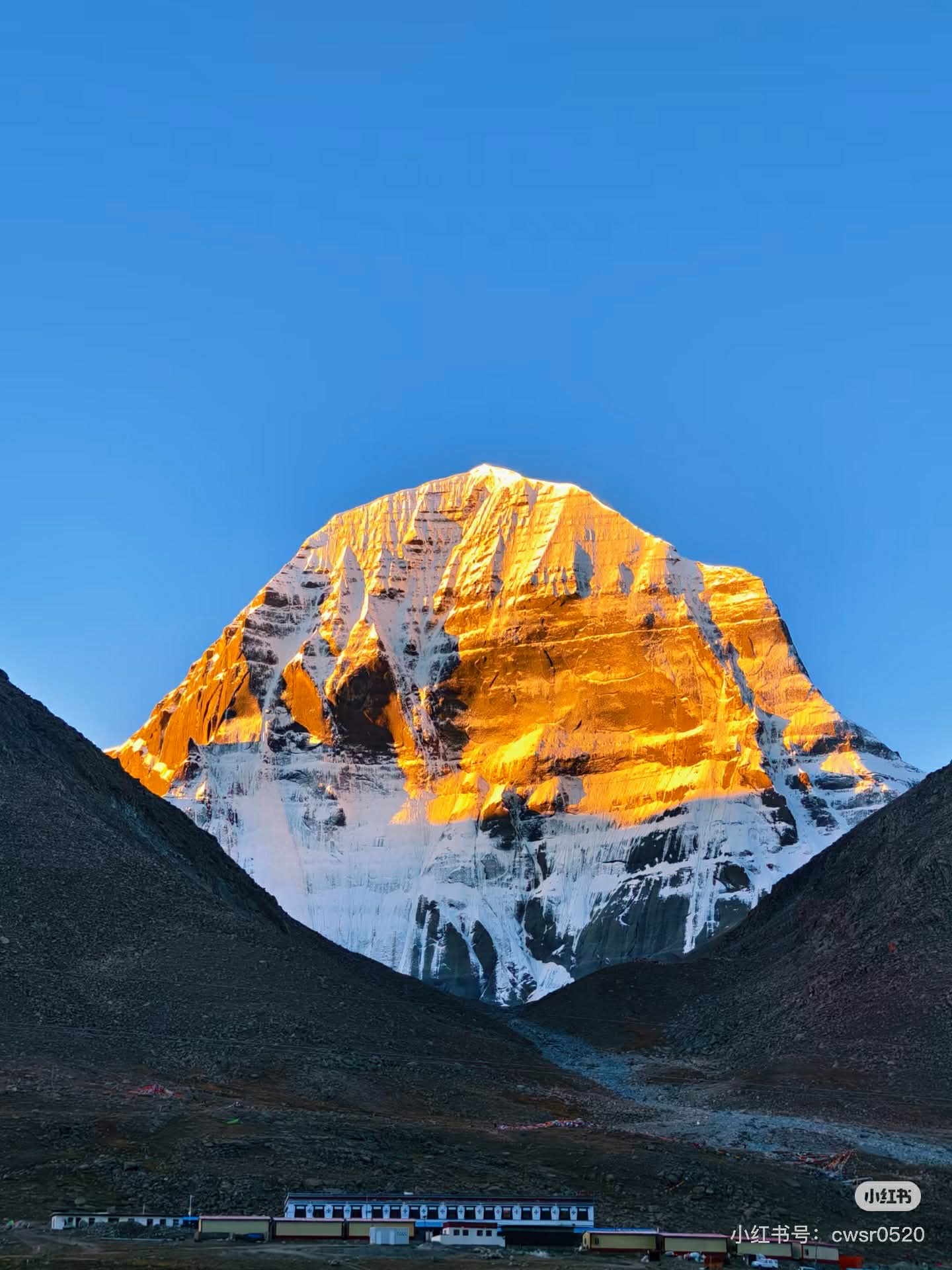
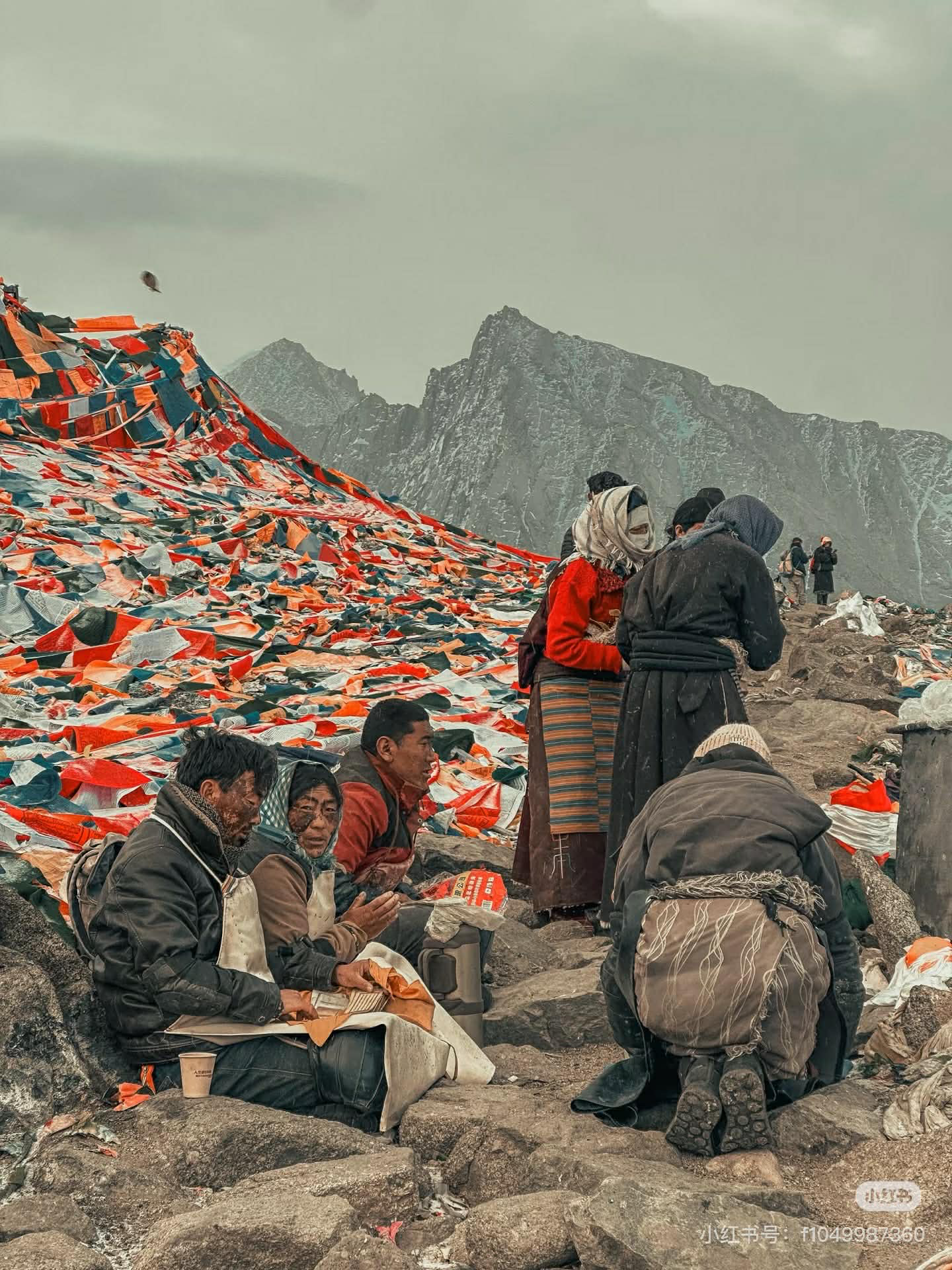
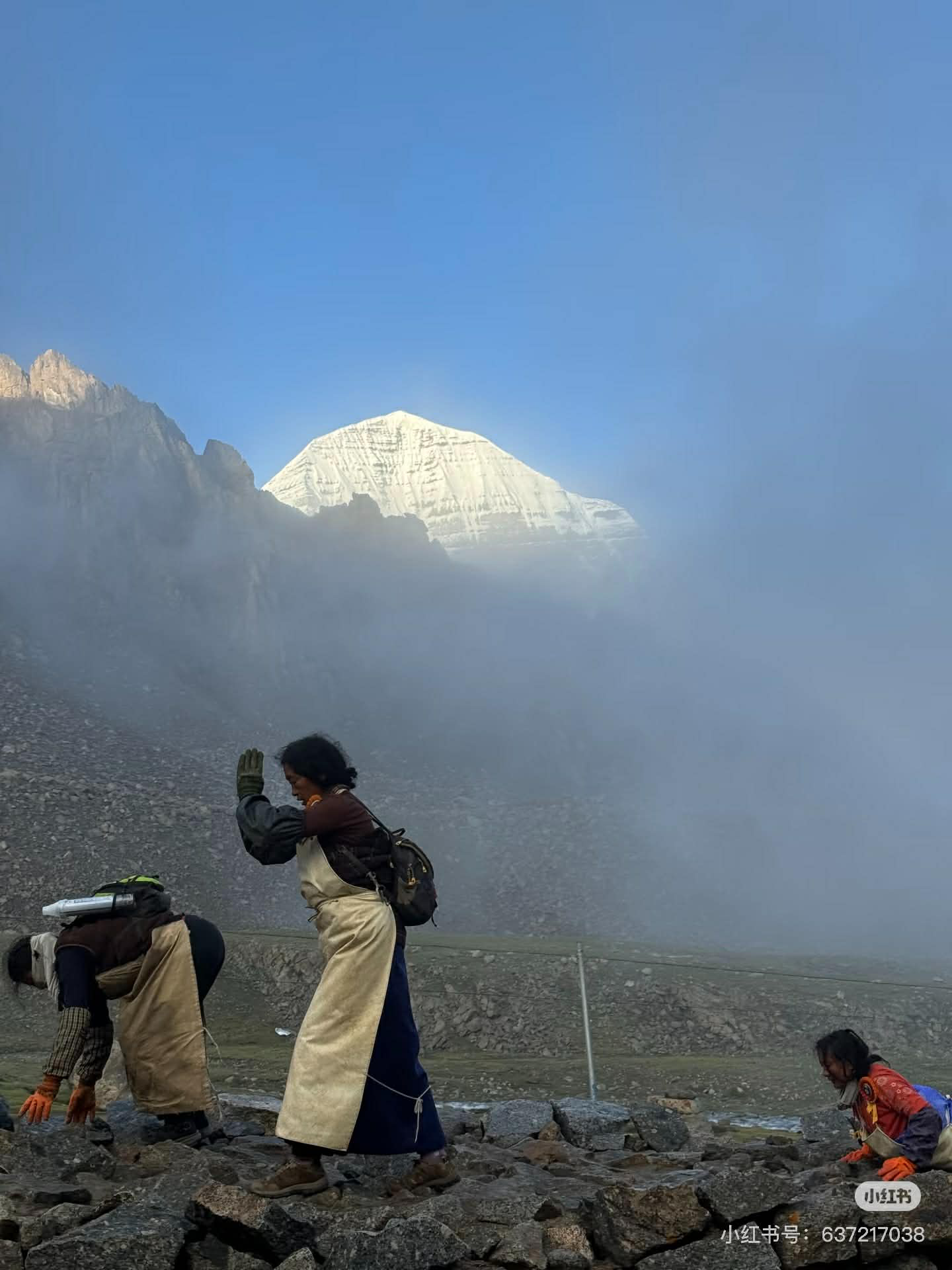
Why the Kailash Kora Matters Even More in the Year of the Horse (2026)?
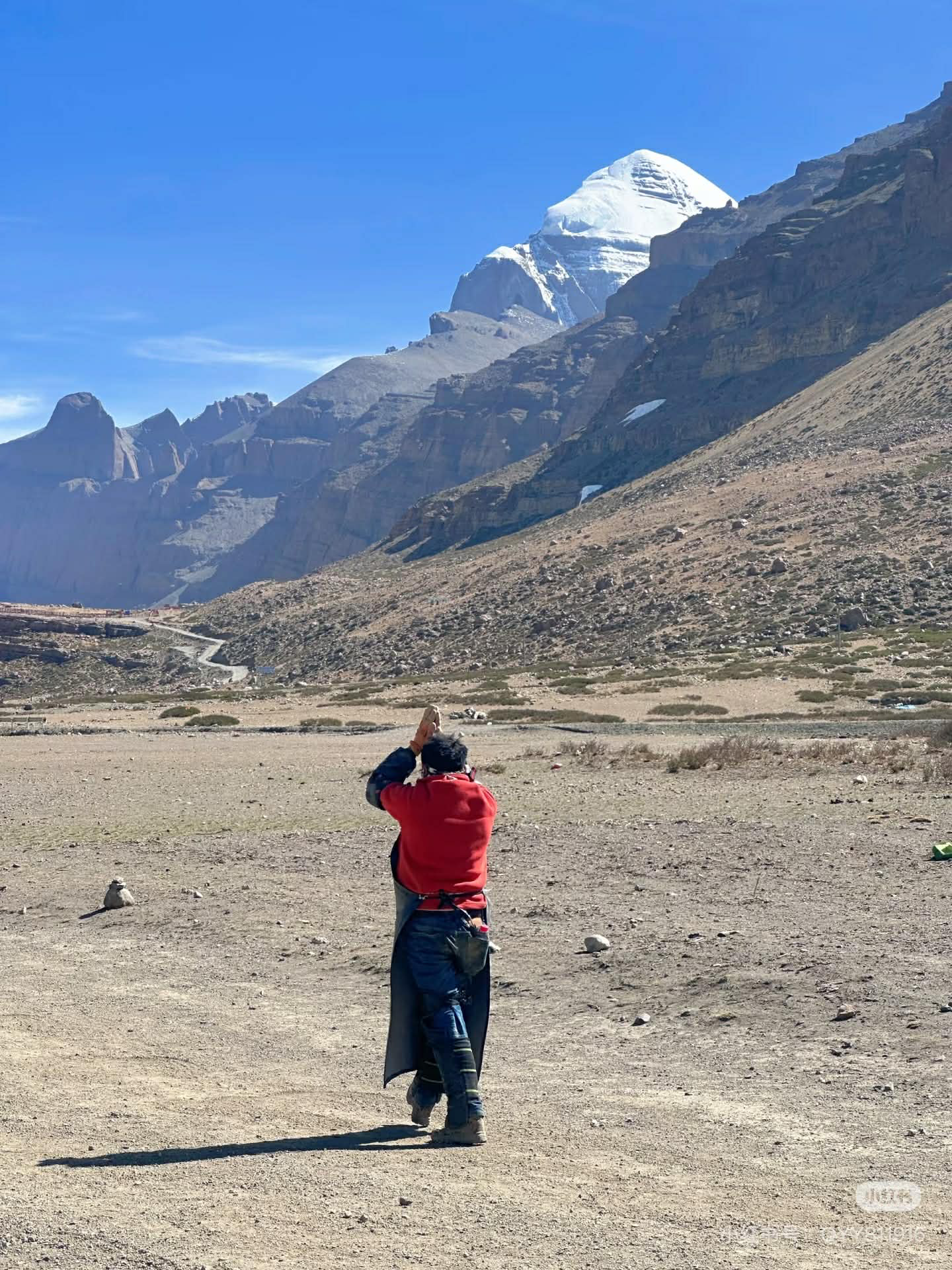
For thousands of years, pilgrims from Buddhist, Hindu, Jain, and Bön traditions have revered Mount Kailash as a place where heaven and earth meet — where the boundary between the visible and the invisible thins. The kora is more than a trek: it is a symbolic rebirth. Each step becomes an act of letting go: of ego, of past limitations, of mental restlessness. For those who value mantras, yoga, meditation, or holistic healing, the journey creates a unique container — the high-altitude landscape reveals inner landscapes, the silence of the plateau deepens reflection, and the collective intention of fellow travelers supports genuine transformation.
In Tibetan astrology, the Year of the Horse is a time of energy, movement, and breakthrough. Undertaking the Kailash Kora in such a year is believed to amplify one’s efforts — helping practitioners release old patterns, catalyze inner transformation, and harness a powerful momentum for spiritual growth. Walking this sacred path, especially in an auspicious year, becomes a moving retreat where body, mind, and spirit naturally align with the land’s intense spiritual charge.
And you don’t need to identify as Buddhist to benefit from this journey. The power of Kailash is universal. This pilgrimage is a spacious moment in life — a chance to step into sacred geography, cultural heritage, and deep stillness, while receiving a humbling reminder of our place in a vast spiritual tapestry.
Meet Your Guide:
Drukmo Gyal འབྲུག་མོ་རྒྱལ།
We are happy to have Drukmo Gyal as the guide for this pilgrimage — a Tibetan mantra practitioner, teacher of Tibetan healing arts, and cultural ambassador whose life and work embody the spirit of this journey.
Born into a Ngakpa family in the culturally rich Amdo region of Tibet, Drukmo Gyal grew up in an environment where mantra, meditation, and ritual were woven naturally into everyday life. Her early years in the Rebgong community, surrounded by practitioners, artists, and spiritual elders, gave her a deep foundation in Tibetan wisdom traditions.
Her path in Tibetan medicine and healing began with formal studies in Amdo and continued through years of training with Dr. Nida Chenagtsang, one of the foremost lineage holders of the Yuthok Nyingthig. This lineage shapes much of her understanding of compassion, body–mind balance, and the subtle healing powers carried by sound, breath, and awareness.
Beyond her medical training, Drukmo Gyal is known worldwide for her work with Tibetan healing mantras, blending her voice with ancient melodies to support wellbeing and spiritual connection. She has performed and taught across more than 30 countries, released five albums, and collaborated with musicians and healing practitioners around the world.
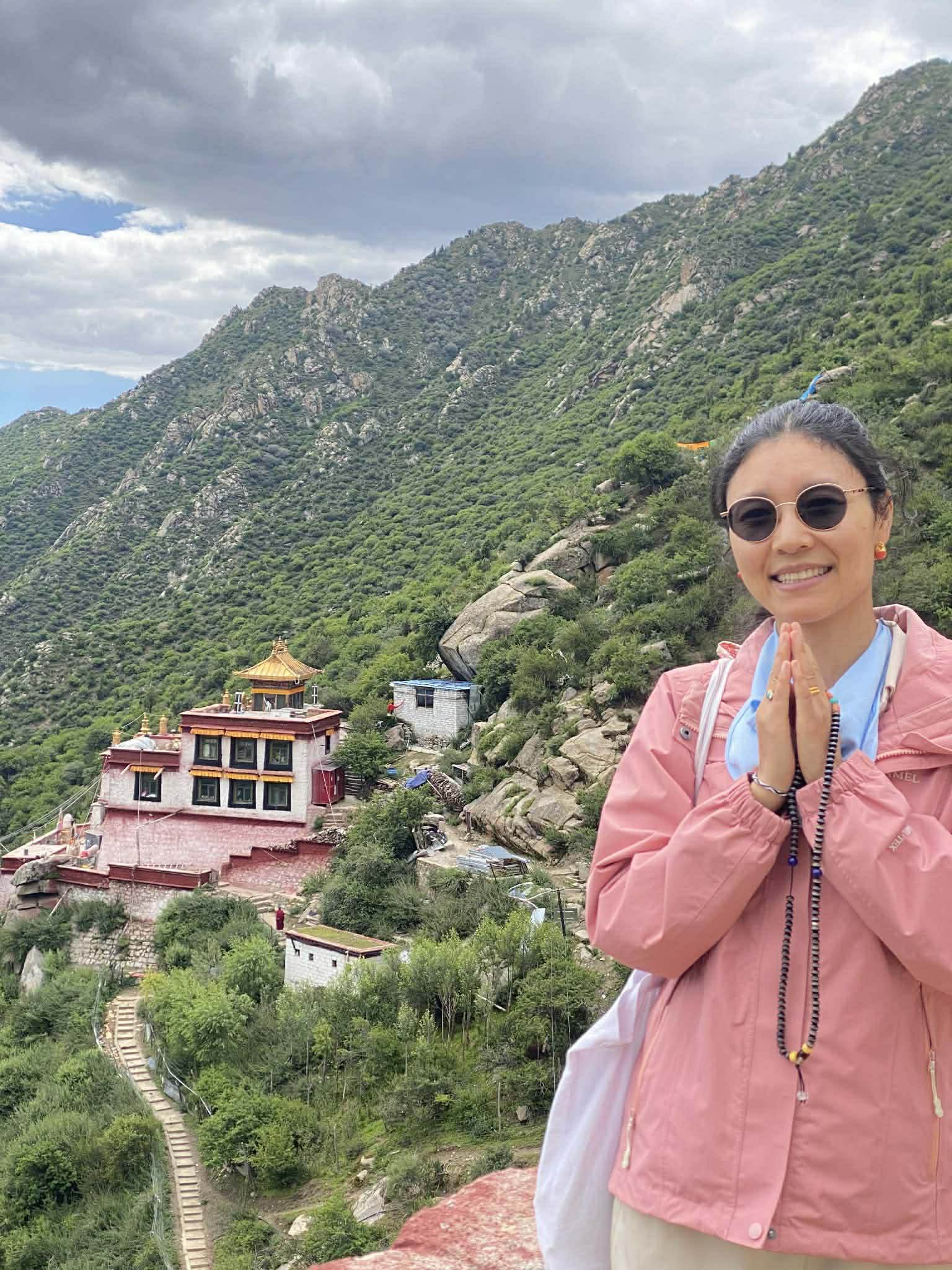
Her concerts, lectures, and courses offer a rare blend of authenticity, depth, and accessibility — making Tibetan healing arts available to modern audiences in a gentle and inspiring way.
Today, she continues to serve as an international teacher with Sorig Khang International and the lead organizer of SKY Estonia, where she and her team are developing a Tibetan Medicine Healing & Education Centre to foster learning, healing, and cross-cultural exchange.
Guided by masters and grounded in heartfelt practice, Drukmo Gyal brings both wisdom and warmth to this journey. Her presence enriches the Kailash Kora with:
Deep knowledge of Tibetan culture, meditation, and healing traditions
Embodied understanding of mantra and breath practices
Compassion, clarity, and lived experience
A genuine wish to support each participant’s inner transformation
With her leading meditation, mantra, breathwork, and spiritual reflection along the way, this pilgrimage becomes not only an outer journey around Mount Kailash — but an inner journey of healing, insight, and renewal.
Travel Itinerary For Both July and August Groups
Day 1 – Arrival in Lhasa
Arrival by air or train, meeting with guide, transfer to hotel. Time for rest and altitude acclimatization.
Day 2 – Lhasa
Visit to Jokhang Temple and the Barkhor circuit. Afternoon Tibetan court music and dance performance.
Day 3 – Lhasa
Visit to Sera Monastery to see the Great Mahākāla statue. Afternoon trip to the birthplace of Yuthok Yönten Gonpo the Elder.
Day 4 – Lhasa
Guided visit to Potala Palace. Afternoon free for rest or exploring old Lhasa and the Barkhor.
Day 5 – Lhasa to Samye
Drive to Tsedang and continue to Samye Monastery, Tibet’s first monastery. Optional visit to Chimpu meditation valley.
Day 6 – Samye to Gongga
Visit Drathang Monastery and Mindroling Monastery, a major Nyingma lineage center. Overnight in Gongga.
Day 7 – Gongga to Saga
Full day of scenic driving across the plateau toward Saga.
Day 8 – Saga to Darchen
Drive across vast highlands, visit Lake Manasarovar, and continue to Darchen with first clear views of Mount Kailash.
This transformative 16-day journey leads you through Tibet’s most sacred landscapes — from ancient monasteries, pilgrimage circuits, and holy lakes to the legendary Mount Kailash kora. The itinerary combines cultural immersion, spiritual depth, and breathtaking natural beauty.
Download the itinerary and all you need to know for the trip here.
10–25 July 2026 — Fully booked
7–22 August 2026 — Places available
Day 9 – Kailash Kora (Day 1)
Begin the sacred trek from Darchen to Dirapuk (20 km), approaching the dramatic north face of Kailash.
Day 10 – Kailash Kora (Day 2)
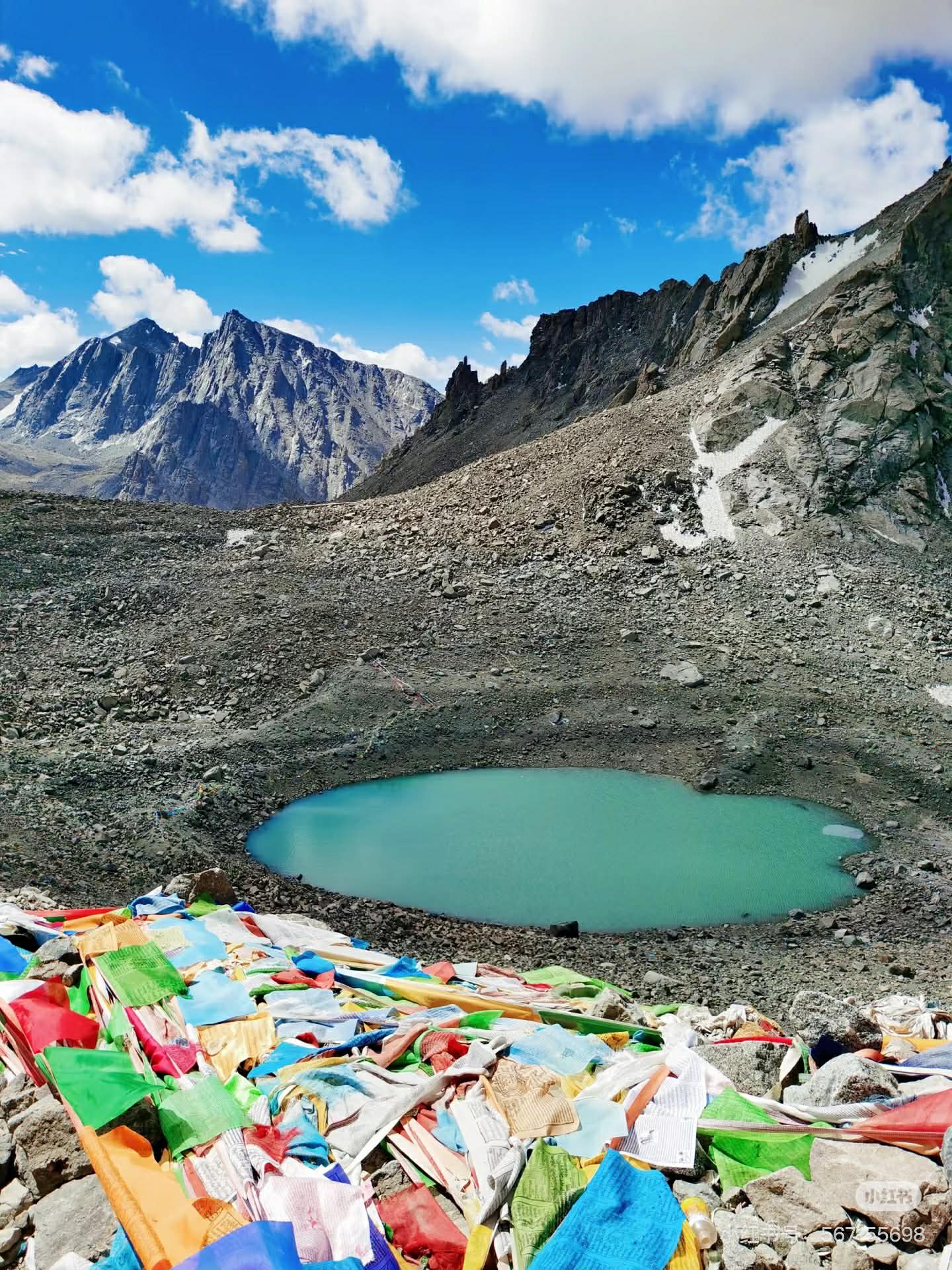
Most demanding day: cross Dikpala Pass (5,000 m) and Dormala Pass (5,600 m). Overnight at Zutrulpuk.
Day 11 – Kailash Kora (Day 3)
Gentler final trek (12 km) to Tashi Do, then drive to Lake Manasarovar for a restful night by the holy shore.
Day 12 – Return to Saga
Drive back to Saga to rest and integrate the experience.
Day 13 – Saga to Gyantse
Return toward central Tibet via Shigatse and continue to Gyantse for the night.
Day 14 – Gyantse
Visit the birthplace of Yuthok the Younger, explore Gyantse town, and visit Pelkor Chode Monastery and the Kumbum Stupa.
Day 15 – Gyantse to Lhasa
Drive back to Lhasa via Yamdrok Lake, with panoramic views from Gampa La Pass. Overnight in Lhasa.
Day 16 – Departure
Transfer to airport or train station. Farewell and blessings for the onward journey.
Prices & Payment Terms
Tour Price
Early Registration Offer
EUR 3,200 per person
(Valid for registrations completed on or before 30 April 2026)Standard Price
EUR 3,400 per person
(For registrations completed on or after 1 May 2026)
Deposit & Payment Terms
A deposit of EUR 500 is required to secure your place on the journey.
Detailed payment instructions will be provided by email.An additional EUR 1,000 payment is due by:
July Group: 15th April 2026
August Group: 10th June 2026
Detailed payment instructions will be provided by email.The remaining balance EUR 1,700 via Bank transfer or Wise before:
July Group: 15th June 2026
August Group: 15th July 2026
Detailed payment instructions will be provided by email.Your registration is confirmed once the deposit is received.
Tour Cost Excludes:
Travel insurance, including trip cancellation, medical coverage, and emergency evacuation (recommended to purchase in your home country before departure).
Personal expenses, such as alcoholic beverages, laundry, phone calls, astrology readings, and any services of a private nature.
Horses or yaks for the Kailash kora (optional and can be arranged on request).
Meals not specified in the itinerary, especially lunches and dinners. On average, a simple meal in Tibet costs around USD 5 per person if you eat local-style food. For those with gluten intolerance, meals may cost more, and options may become more limited as we travel toward the Kailash region.
Tips for the guides and driver, offered at your own discretion.
Single-room supplement:
If you prefer not to share a room, an additional USD 500 / EUR 450 will be applied.
Tour Cost Includes
All required travel permits for entering and traveling within Tibet.
Entrance fees for all sightseeing locations listed in the itinerary.
Private transportation throughout Tibet with an experienced local Tibetan driver, using a 29-seat bus (fuel included).
Guided practice sessions, including healing yoga, breath-work, and meditation practices offered throughout the journey.
Health consultation with Tibetan medicine doctors when needed during the stay in Lhasa.
Three professional guides, including one English-speaking lead Tibetan guide and two assistant guides (one female and one male).
Accommodation throughout the tour:
Please note that accommodations may be subject to slight changes depending on availability.
Tashi Nota Hotel (Lhasa),
Samye monastery Hotel,
Gesar Hotel (Shigatse),
Champion Hotel or Lhunpo Gangri (Saga),
a local hotel in Darchen, and
guesthouses during the Kailash kora,
Gyantse Yuthok hotel.Complimentary pick-up and drop-off services (no hidden fees).
Oxygen support, group oxygen cylinders (4L / 7L) and one oxygen porter during the kora.
Meals: breakfast included in all hotels as specified in the itinerary.
Lodging, meals, and compensation for teachers, guides, and drivers.
Group travel insurance for the duration of the tour.
First-aid kit available for group use throughout the journey.
Kailash Kora Essentials Kit, including:
heating pads, wet towels, a torch/flashlight, disposable bedsheets, band-aids, a trash bag, energy bars/snacks, electrolyte powder or electrolyte water, protein bars, raisins, motion-sickness patches or medicine, glucose powder or tablets, a portable rain poncho, and a safety whistle
Important Notes
Prices are based on group travel and shared logistics.
Space is limited to maintain a supportive and intimate group experience.
Early registration is strongly recommended.
Cancellation, Refunds & Exceptional Circumstances
Cancellation & Refund Policy
We understand that plans can change, and we aim to be fair and transparent while also covering the operational commitments required for this journey.
Cancellation by Participant
July Group (10–25 July 2026)
On or before 31 March 2026: The deposit is non-refundable. No further charges apply.
1 April – 31 May 2026: 50% of the total tour price is non-refundable.
1 June – 20 June 2026: 75% of the total tour price is non-refundable.
From 21 June 2026 onward, or in the case of no-show: 100% of the total tour price is non-refundable.
August Group (7–22 August 2026)
On or before 28 April 2026: The deposit is non-refundable. No further charges apply.
29 April – 28 June 2026: 50% of the total tour price is non-refundable.
29 June – 18 July 2026: 75% of the total tour price is non-refundable.
From 19 July 2026 onward, or in the case of no-show: 100% of the total tour price is non-refundable.
Force Majeure & Extraordinary Circumstances
In the event of unavoidable and extraordinary circumstances that significantly affect the ability to travel (such as natural disasters, government restrictions, or major safety concerns), cancellation fees may be waived in accordance with applicable travel regulations.
Cancellation by Organizer
If the tour must be canceled by the organizer for any reason, all payments made will be fully refunded.
Training, Preparation, and Care
To help everyone feel confident and supported, we will provide guidance on training, acclimatization, and smart packing.
With steady preparation and a calm heart, the kora becomes not an ordeal, but a deeply rewarding experience.
Packing & Gear Guidance
We’ll encourage gentle, gradual training — light jogging, cycling, swimming, or brisk walking — to build endurance. A safe, step-by-step acclimatization plan will help the body adjust smoothly to the altitude.
-
Worn directly on the skin
Wicks sweat and prevents chills
Merino wool is ideal for warmth without bulk
-
Fleece: lightweight and good for daytime trekking
Down jacket: essential for early mornings, evenings, and high passes
-
Waterproof, windproof, UV-resistant
Hard-shell jackets are essential at high altitude
Shell pants or soft-shell pants both work
Popular, reliable option: Decathlon MH500
-
Mid or high-cut
Waterproof with strong ankle support
Suitable for rocky, uneven, or muddy terrain
Reliable models: Decathlon MH100; Kailas MT5; Scarpa Kailash / Kangrinpoqe editions
-
Merino wool socks: warm, breathable, cushioned
Bring at least two pairs to alternate
-
20–40L with good back support
Enough capacity for two days of essentials
-
Reduce knee strain
Shorter setting for uphill, longer for downhill
Very important for descending Dolma-La Pass
-
Knee support (highly recommended for downhill)
Headlamp (important for late descent or emergencies)
Rain jacket (weather changes rapidly at altitude)
Thermos bottle for hot water (helps ease altitude discomfort)
Sunglasses (UV400) and a face shield — UV rays are extremely strong in Tibet
-
High-Energy Snacks: Snickers, Chocolate, Energy gels, Glucose tablets, Electrolyte drinks or powders
-
Cold medicine; Stomach medicine; Pain reliever (aspirin powder or similar); Anti-diarrhea medicine etc…
Below is the recommended equipment list to help you stay safe, warm, and comfortable throughout the pilgrimage. We will support you in choosing practical, warm, lightweight essentials suited for the Himalayan climate. Use the 3-Layer Method (essential for the Himalayas). This system helps your body handle huge temperature changes and sudden shifts in weather.
A Journey Held with
Guidance and Community
Throughout the pilgrimage, our team will offer steady, compassionate support. Drukmo Gyal will also be guiding meditation, breathwork, and yoga practices along the way, helping you connect more deeply with the land, your body, and your inner rhythm. Kailash Kora is not a race — it is a mindful walk, a breathing journey, a space to reconnect with what matters most.
Many travelers have said that walking around Mount Kailash feels like pressing a quiet reset button for the heart. And in the Year of the Horse, that reset may feel even more powerful — a moment of clarity, movement, courage, and renewal.
If this pilgrimage is calling to you — softly or strongly — you are very welcome to join us.
Let us walk together, step by step, into presence, spaciousness, and possibility.
A great source of reading to prepare yourself:
52 Ways to Walk: The Surprising Science of Walking for Wellness and Joy, One Week at a Time
To See a Mountain - Writing, Place, and Vision in Tibetan Pilgrimage Literature